Book and Research

Wednesday, 18 Nov 2026
When Nature Becomes Numbers: A Critical Look at Biodiversity Credits and Offsets
The development of biodiversity credit and offset as conservation financing mechanisms raises issues related to the commodification of nature, the effectiveness of ecosystem restoration, and the protection of Indigenous Peoples' and Local Communities' rights. The assumption that biodiversity loss can be compensated through protection or restoration in other areas risks ignoring ecological complexity and perpetuating environmentally damaging activities. A fair conservation financing approach should prioritize damage prevention, recognition of community rights, and funding mechanisms that do not rely on biodiversity trading.

Wednesday, 18 Nov 2026
Digital Sequence Information and Justice in Genetic Resource Governance
The development of Digital Sequence Information (DSI) opens up opportunities for the utilization of genetic information for research and technology development, while also presenting challenges related to data sovereignty, traceability of the origin of genetic resources, and equitable benefit-sharing. Strengthening DSI governance is important to ensure that information openness respects the rights of countries as well as Indigenous Peoples and Local Communities who contribute to the preservation of genetic resources and traditional knowledge.

Wednesday, 18 Nov 2026
Mobilizing Resources, Empowering Biodiversity Stewards
Biodiversity financing is not only about the amount of funds available, but also access, benefit distribution, and authority in its management. Strengthening direct finance, recognizing tenure rights, and equitable financing governance are important to ensure Indigenous Peoples and Local Communities have control over resources in preserving biodiversity.

Wednesday, 18 Nov 2026
Beyond the 30x30 Target: What Does It Mean for Indigenous Peoples and Local Communities?
Achieving the global 30x30 conservation target is not enough to be measured by the expansion of conservation areas, but must also consider management effectiveness, governance equity, and the protection of the rights of Indigenous Peoples and Local Communities. The implementation of this target needs to ensure the recognition of tenure rights, respect for community management systems, and recognition of community-based conservation contributions without undermining community authority over their territories.
Saturday, 4 Jul 2026
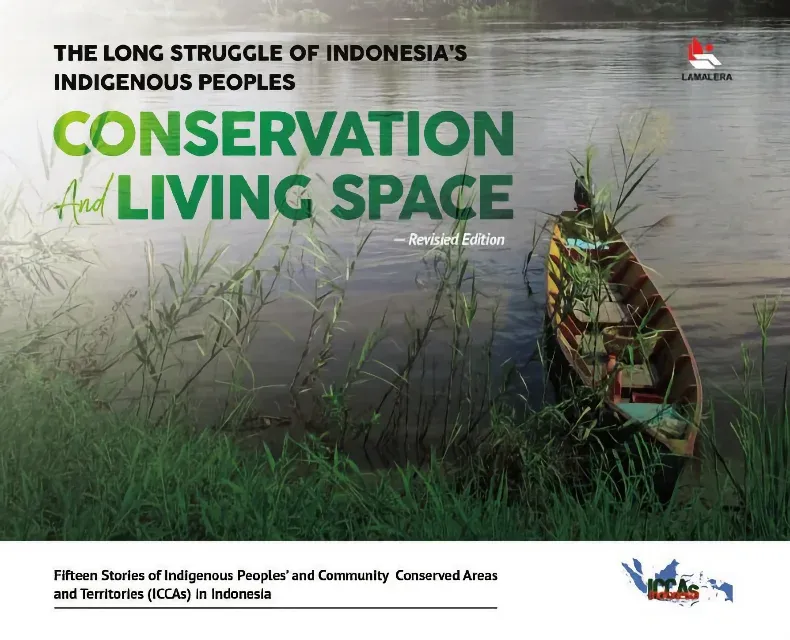
The Long Struggle of Indonesia's Indigenous Peoples for Conservation and Living Space
Fifteen stories of indigenous community conservation areas (ICCAs) in Indonesia, narrating the long struggle of communities from Merauke to Banten to defend their living spaces against deforestation and dispossession.
Saturday, 4 Jul 2026
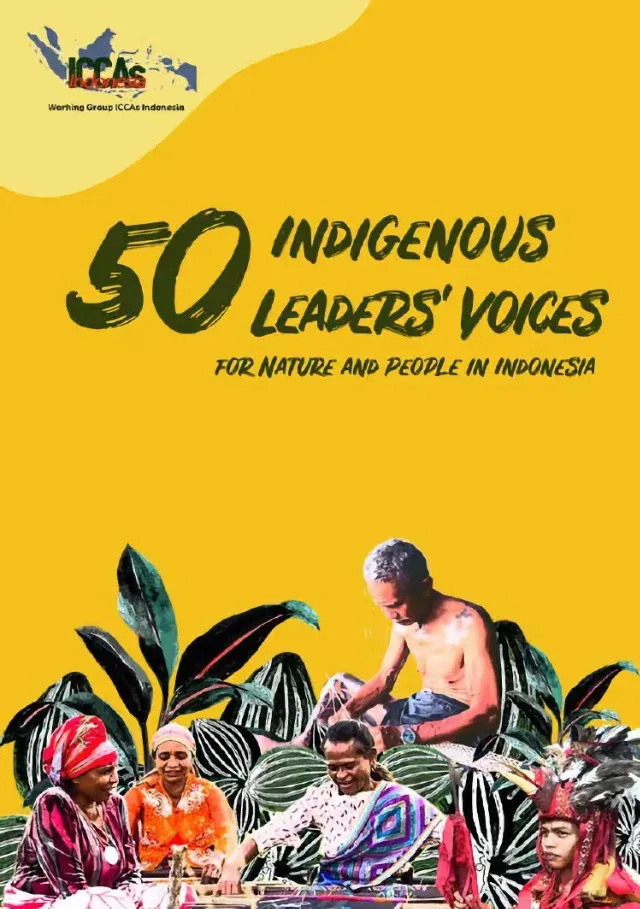
50 Indigenous Leaders’ Voices for Nature and People in Indonesia
Fifty Indigenous leaders from across Indonesia share their perspectives on nature, conservation, and the living spaces their communities have guarded for generations, spanning Sumatra to Papua.
Monday, 18 May 2026
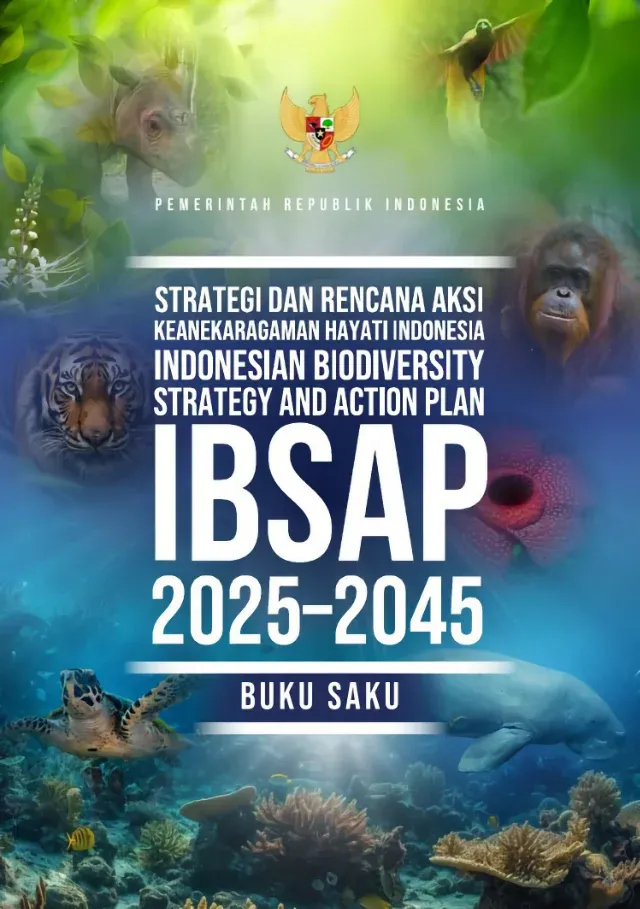
Buku Saku IBSAP 2024–2045
A concise pocket guide summarising Indonesia’s Biodiversity Strategy and Action Plan 2025–2045, covering national targets, strategic goals, and action groups aligned with global commitments.
Saturday, 16 May 2026
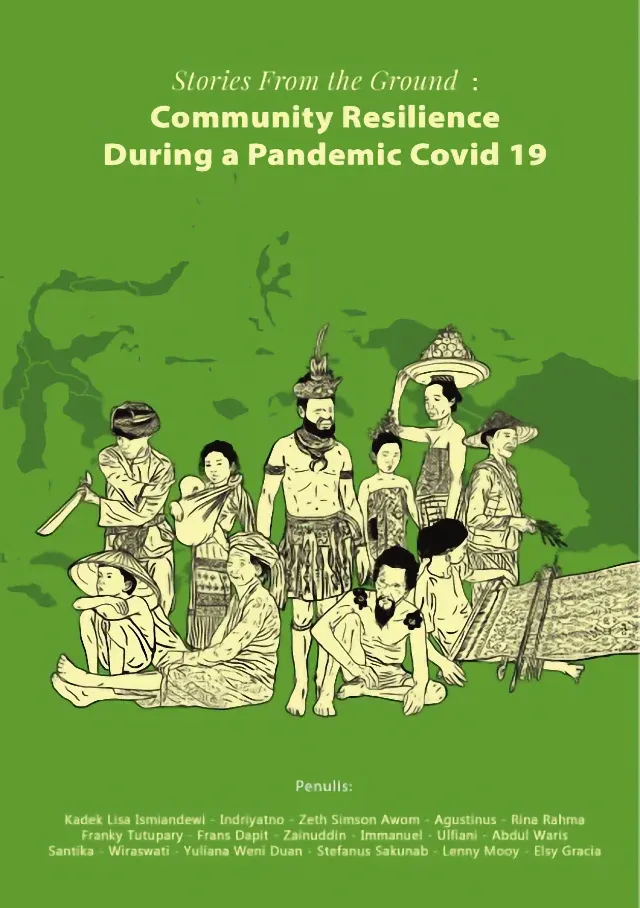
Cerita dari Lapang — Stories from the Field
Sixteen grassroots stories from Indonesian Indigenous and local communities supported by ICCA-GSI, showing how community resilience and customary stewardship sustained livelihoods through the COVID-19 pandemic.
Saturday, 16 May 2026
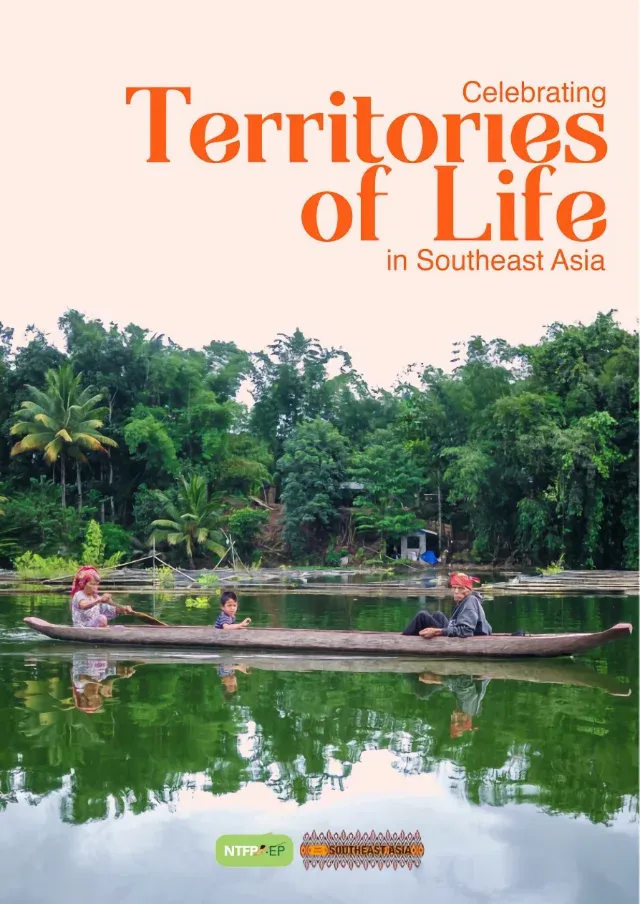
Celebrating Territories of Life in Southeast Asia
A celebration of ICCAs across Southeast Asia — from the T'boli of Lake Sebu in the Philippines to the forests of Borneo — showing how Indigenous communities govern and sustain their territories of life.
Saturday, 16 May 2026
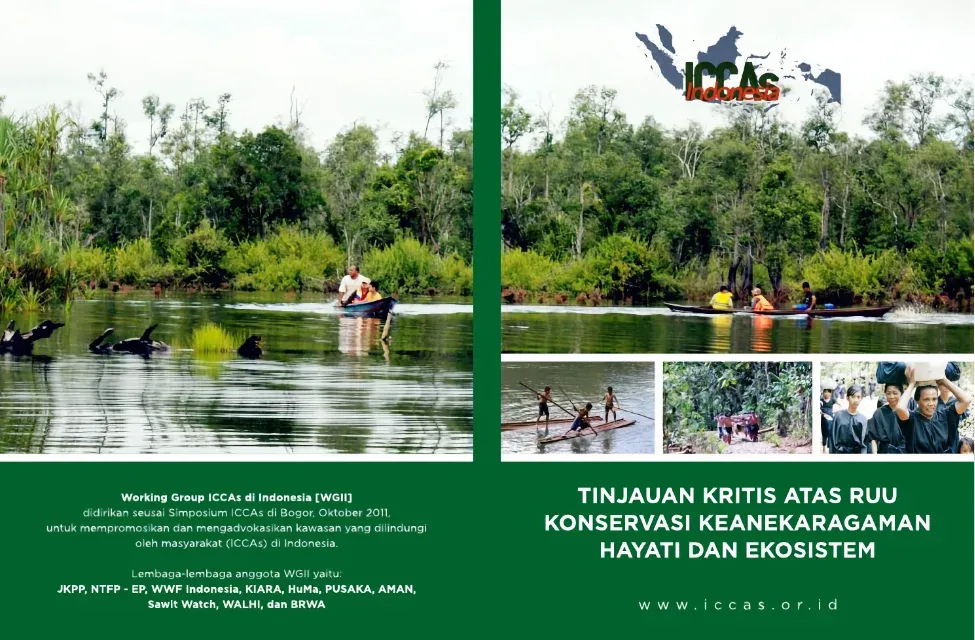
Tinjauan Kritis atas RUU Konservasi Keanekaragaman Hayati dan Ekosistem
A critical multi-author review of Indonesia's draft bill on biodiversity and ecosystem conservation, examining provisions on community conservation areas, genetic resources, indigenous rights, and ecosystem services.

Join Our Newsletter
Berlangganan buletin kami untuk mendapatkan pembaruan terbaru, berita, acara, dan aktivitas komunitas langsung ke kotak masuk Anda.
We respect you privacy, your email is safe with us.